

Cyber Security Services: Types, Costs & Business Benefits
A single phishing email can shut down a small shop for a week. A misconfigured cloud bucket can expose a million customer records. Neither takes a movie-style hacker. They take one overlooked gap, and attackers are very good at finding those.
That is why more companies, from three-person startups to global enterprises, now rely on cyber security services instead of trying to handle everything in-house. This guide explains what these services are, the main types, what they typically cost, and how to pick a provider you can trust. You will also find answers to the questions buyers ask most.
What Are Cyber Security Services?
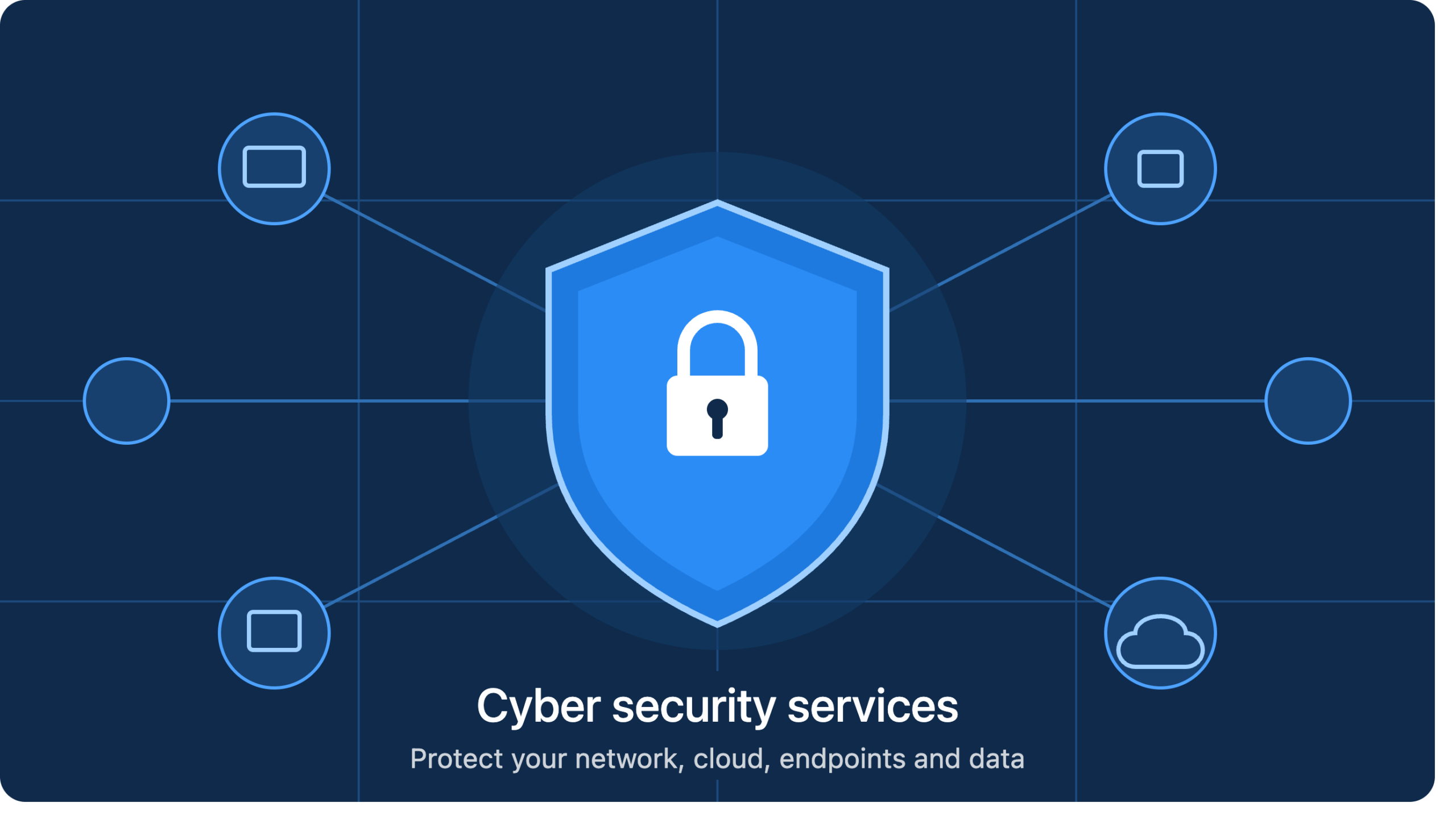
Cyber security services are professional offerings that protect an organization’s networks, devices, cloud systems and data from digital attacks. They can include monitoring, threat detection, incident response, security testing, compliance support and staff training. Some businesses buy one service. Others outsource their entire security function.
The need is real. IBM’s Cost of a Data Breach research has put the global average cost of a breach at roughly $4.4 to $4.9 million in recent years, and the average in the United States has been more than double that. Smaller firms rarely face numbers that large, but a breach can still be fatal when it means lost customers, legal bills and weeks of downtime.
Why Businesses Need Cyber Security Services
Most companies now run on cloud apps, remote workers and connected devices. Every one of those is a door an attacker can try.
In-house teams struggle for three practical reasons:
- Talent is scarce and expensive. Skilled security analysts are hard to hire and harder to keep.
- Threats run around the clock. Attacks do not wait for office hours, and a lone IT manager cannot watch alerts at 3 a.m.
- Rules keep expanding. HIPAA, PCI DSS, SOC 2, GDPR and state privacy laws all expect documented safeguards.
Bringing in outside specialists fills those gaps without building a full department.
Types of Cyber Security Services
There are many types of cyber security services, and the labels vary between vendors. These are the categories you will see most often.
Network Security Services
Network security services guard the pathways data travels. Typical work includes firewall management, intrusion prevention, VPN setup, network segmentation and traffic monitoring. If your office, warehouse or branch locations share a network, this is the foundation layer.
Cloud Security Services
Moving to AWS, Microsoft Azure or Google Cloud does not hand security to the provider. Under the shared responsibility model, the provider secures the infrastructure, and you secure your configurations, identities and data. Cloud security services cover configuration reviews, access controls, workload protection and continuous posture monitoring. Misconfiguration is one of the most common causes of cloud exposure, so this area deserves real attention.
Endpoint Security Services
Laptops, phones and servers are where most attacks land. Endpoint security services install and manage tools that detect malware, block ransomware and isolate infected devices. Modern endpoint detection and response (EDR) tools watch behavior rather than just known virus signatures, which helps catch newer attacks.
Data Protection Services
Data protection services keep sensitive information safe and recoverable. They include encryption, data loss prevention, backup and disaster recovery, and access governance. A good backup strategy is often what separates a bad week from a business-ending ransomware event.
Cyber Threat Detection Services
Cyber threat detection services look for trouble before it becomes a breach. This is usually delivered through a security operations center (SOC) that collects logs, correlates alerts and investigates suspicious activity. You may see the terms SIEM, MDR (managed detection and response) and threat hunting used here.
Penetration Testing and Vulnerability Assessments
Here, ethical hackers try to break into your systems the way a real attacker would. Vulnerability scans find known weaknesses automatically, while penetration tests go deeper and show how weaknesses can be chained together. Many compliance frameworks require regular testing.
Security Awareness Training
People remain the most common entry point, usually through phishing. Training and simulated phishing campaigns teach employees to spot suspicious messages. It is one of the cheapest services with one of the best returns.
Incident Response and Compliance Services
When something goes wrong, incident response teams contain the damage, investigate and help you recover. Compliance consultants prepare you for audits and help close gaps against standards such as ISO 27001, NIST CSF, HIPAA and PCI DSS.
Managed Cyber security Services vs. In-House Security
Managed cybersecurity services mean a provider runs part or all of your security operations for a monthly fee. Think of it as renting a security team instead of hiring one.
| Factor | Managed services | In-house team |
|---|---|---|
| Coverage | 24/7 monitoring is common | Limited by staffing |
| Cost structure | Predictable monthly fee | Salaries, tools, training |
| Expertise | Broad, shared across clients | Deep on your systems, narrow overall |
| Setup speed | Weeks | Months to hire and build |
A hybrid model works well for many mid-sized firms. An internal IT lead owns strategy and day-to-day decisions, while a provider handles monitoring and incident response.
Cybersecurity Services for Small Businesses vs. Enterprises
Small Business Cybersecurity Services
Small business cybersecurity services focus on essentials: email protection, endpoint security, backups, multi-factor authentication and employee training. Small companies are not too small to be targeted. Attackers often prefer them because defenses are thinner. A bundled managed package is usually the most efficient route. If you want to compare tools you could run yourself, see this guide to cybersecurity software for small businesses.
Enterprise Cybersecurity Solutions
Enterprise cybersecurity solutions are broader and more customized. They tend to include a dedicated SOC, zero trust architecture, identity management across thousands of users, threat intelligence feeds, third-party risk programs and multi-region compliance. Global companies also have to juggle different laws, from GDPR in Europe to state-level privacy rules in the U.S.
How Much Do Cyber Security Services Cost?
Cyber security services cost anywhere from a few hundred dollars a month for a small business to six or seven figures a year for an enterprise. Pricing depends on company size, number of devices and users, and the level of monitoring you need. These ranges are typical market estimates and will vary by provider and region.
| Service | Typical price range (USD) |
|---|---|
| Managed security for small business | $1,000 – $5,000 per month |
| Managed detection and response (MDR) | $8 – $25 per endpoint per month |
| Vulnerability assessment | $2,000 – $10,000 per scan engagement |
| Penetration test | $5,000 – $30,000+ per test |
| Security awareness training | $2 – $10 per user per month |
| Virtual CISO (part-time) | $3,000 – $15,000 per month |
When you compare quotes, ask what is actually included. A cheap plan that only sends alerts without investigating them leaves the work on you. Also check for onboarding fees, minimum contract terms and extra charges for incident response hours.
A useful way to frame the price: compare it with the cost of one serious incident. Downtime, recovery, legal fees, notification costs and lost trust add up fast.
Benefits of Cybersecurity Services
The benefits of cybersecurity services go beyond blocking attacks:
- Faster detection and response. Shorter time to spot a breach means less damage.
- Lower risk of costly downtime. Business keeps running when threats are contained early.
- Compliance confidence. Documentation and controls are ready when auditors or insurers ask.
- Access to specialists. You get experience across many incidents, not just your own.
- Customer trust. Clients increasingly ask about security before signing contracts.
- Better insurance terms. Many cyber insurers now require controls like MFA and EDR, and a documented program can help with premiums.
How to Choose Among Cyber Security Service Providers
Picking from the many cyber security service providers on the market is about fit more than brand names. Use this checklist:
- Define your needs first. List what you need to protect, your compliance obligations and your budget.
- Check credentials and track record. Look for certifications such as SOC 2 for the provider itself, plus staff holding CISSP, OSCP or GIAC credentials.
- Ask for references in your industry. Healthcare, finance and retail each have different risks.
- Review response times in writing. A service level agreement should state how fast they respond, not just that they monitor.
- Ask how they report. You want plain-language summaries, not a wall of technical alerts.
- Confirm what happens in a crisis. Is incident response included or billed separately?
- Avoid long lock-ins early on. Start with a shorter term or pilot if possible.
A provider who pushes fear or promises “100% protection” is a red flag. No honest vendor can guarantee that. Good business cybersecurity solutions reduce risk and improve recovery. They do not eliminate risk.
Getting Started: A Simple Action Plan
If you are unsure where to begin, this sequence works for most organizations:
- Take inventory of devices, apps, data and who has access.
- Turn on multi-factor authentication everywhere it is available.
- Set up tested, offline or immutable backups.
- Run a vulnerability assessment to find your biggest gaps.
- Add endpoint protection and threat monitoring.
- Train staff and run phishing simulations.
- Write a short incident response plan and practice it once a year.
This list is a starting point, and a qualified IT security services partner can tailor it to your size and industry.
Frequently Asked Questions
What do cyber security services include?
They typically include network, cloud and endpoint protection, data protection, threat monitoring, penetration testing, employee training, incident response and compliance support. The exact mix depends on your business.
How much do cyber security services cost for a small business?
Most small businesses spend roughly $1,000 to $5,000 per month for a managed package, though simple setups can cost less. Costs rise with the number of users, devices and compliance requirements.
Do small businesses really need cyber security services?
Yes. Small organizations are frequent targets because they often lack dedicated security staff. Basic protections such as MFA, backups, endpoint security and training greatly reduce common risks.
What is the difference between managed security services and traditional IT support?
Traditional IT support keeps systems running and fixes problems. Managed security services focus specifically on preventing, detecting and responding to cyber threats, usually with round-the-clock monitoring.
How do I know if a provider is trustworthy?
Check independent certifications, ask for industry references, read the contract’s response-time terms, and be cautious about guarantees of total protection.
Conclusion: Protect Your Business Before You Need To
Cyber security services are no longer a luxury reserved for big corporations. They are a practical way to cut risk, stay compliant and keep your business running when something goes wrong. Start by understanding your biggest exposures, match them to the right service types, and choose a provider that communicates clearly and backs its claims in writing.
More Read: Cybersecurity Software for Small Businesses: Features & Best Solutions
Health Site: Elesm.com